
Being strong isn’t just about how much weight you can lift in the gym. The kind of strength that matters most in everyday life is the strength that helps you move confidently, perform daily tasks, and continue doing the activities you enjoy.
That’s where functional strength comes in.
Functional strength training focuses on developing strength through movements that translate well to everyday life—things like standing up, carrying, reaching, pushing, pulling, climbing stairs, and maintaining your balance.
And as you get older, maintaining those abilities becomes increasingly important.
What Is Functional Strength?
Functional strength is your ability to use your muscles effectively during real-world movements and activities.
Think about how often you need strength throughout a normal day.
You might:
- Get up from a chair
- Carry groceries
- Lift a laundry basket
- Climb a flight of stairs
- Pick something up from the floor
- Push open a heavy door
- Reach for something overhead
- Carry a suitcase
- Get down onto the floor and back up again
These tasks involve multiple muscles and joints working together.
Functional strength training emphasizes movements and physical abilities that can carry over to those kinds of everyday tasks.
Why Does Functional Strength Matter More as You Age?
As we get older, maintaining muscle and strength becomes increasingly important. But simply having muscle isn’t the entire goal.
You also want to be able to use that strength effectively.
Strong legs can make it easier to climb stairs and get out of a chair. Strong hips and core muscles can help support balance and stability. Upper-body strength makes carrying, lifting, pushing, and pulling easier.
Maintaining functional strength can help support:
- Mobility
- Balance and stability
- Coordination
- Everyday independence
- Confidence with physical activities
- Your ability to remain active
The goal is simple: keep your body capable of doing the things you ask it to do.
What Exercises Build Functional Strength?
You don’t need unusual or complicated exercises.
Squats or sit-to-stands strengthen the muscles you use when getting out of a chair or climbing stairs.
Deadlifts and hip hinges teach you to use your hips and legs when picking things up.
Rows strengthen pulling muscles in your back and arms.
Chest presses or push-ups develop pushing strength.
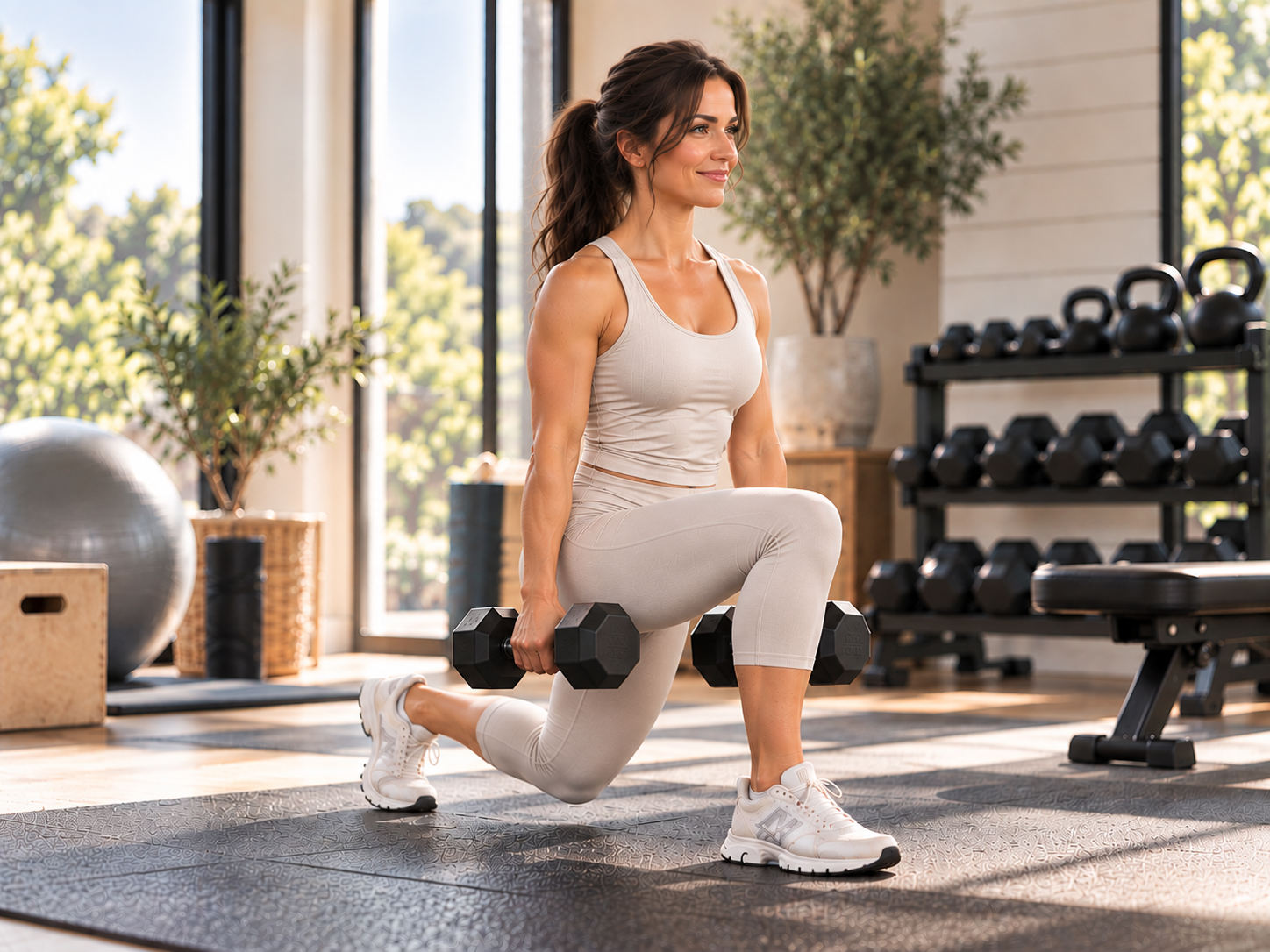
Step-ups and lunges challenge leg strength, balance, and coordination.
Loaded carries train your grip, core, posture, and ability to carry objects.
Core stabilization exercises help your trunk remain strong and stable while your arms and legs move.
Many traditional strength exercises are highly functional because they train basic movement patterns we use in everyday life.
You don’t have to perform every exercise in every workout. A handful of well-chosen movements can cover most of these patterns.
Functional Training Doesn’t Have to Look “Functional”

One misconception is that functional exercise needs to involve unstable surfaces, complicated combinations, or exercises that resemble everyday activities exactly.
It doesn’t.
A basic dumbbell squat may not look exactly like anything you do during your day, but strengthening your legs and hips can make many everyday movements easier.
The same is true of rows, presses, deadlifts, and other traditional exercises.
What matters is whether an exercise helps develop strength, control, balance, or movement capacity that transfers to your life.
Simple exercises performed well are often more useful than complicated ones performed poorly.
How to Add Functional Strength to Your Routine
You don’t necessarily need a separate “functional training” workout.
Instead, build your regular strength routine around fundamental movement patterns.
A simple full-body workout might include:
- Squat or sit-to-stand
- Hip hinge
- Step-up or lunge
- Chest press or push-up
- Row
- Loaded carry
- Core stabilization exercise
For many adults, performing a routine like this two or three times per week can provide a strong foundation.
Choose resistance that challenges you while allowing you to maintain good technique. As you become stronger, gradually increase the resistance, repetitions, range of motion, or difficulty.
And remember that walking, mobility work, recreational activities, and balance exercises can complement your strength training throughout the week.
Nate’s Trainer Tip
After more than 30 years of working with clients, I’ve found that one of the best measures of a fitness program is whether it makes life outside the gym easier.
Pay attention to those everyday improvements. Maybe stairs feel easier, carrying groceries takes less effort, or getting up from the floor feels more natural.
Those may not show up on a fitness tracker, but they’re meaningful signs that your training is working.
What’s the Main Takeaway?
Functional strength is simply strength you can use.
As you age, maintaining that strength can help you continue moving confidently, performing everyday tasks, and participating in the activities that matter to you.
You don’t need complicated exercises or specialized workouts.
Focus on fundamental movements, train your major muscle groups consistently, and gradually challenge yourself as you become stronger.
The ultimate goal isn’t just to become better at exercising.
It’s to build a body that helps you keep doing the things you want to do for years to come.
Keep Learning
- Why Strength Training Becomes More Important as You Age >read
- How Much Strength Training Do You Really Need Each Week? >read
- What Is Progressive Overload—and Why Does It Matter? >read
Explore Active Aging Essentials
Looking for practical ways to support strength, mobility, recovery, and an active lifestyle as you get older? Explore my curated Active Aging Essentials for products and tools that can support healthy, active living.
ABOUT THE AUTHOR

Nate Hartwig
Certified Personal Trainer
Certified Nutrition Coach
Certified Strength & Conditioning Specialist
Nate has spent more than 30 years helping people improve their fitness through practical, sustainable exercise and healthy lifestyle strategies. My Radiant Vitality brings that experience together with carefully selected products and tools designed to support healthier everyday living.
Leave a Reply